MOVE COACH
CLOSE YOUR MOVE RINGS
WIN AN OURA RING
OUT OF HOME 101
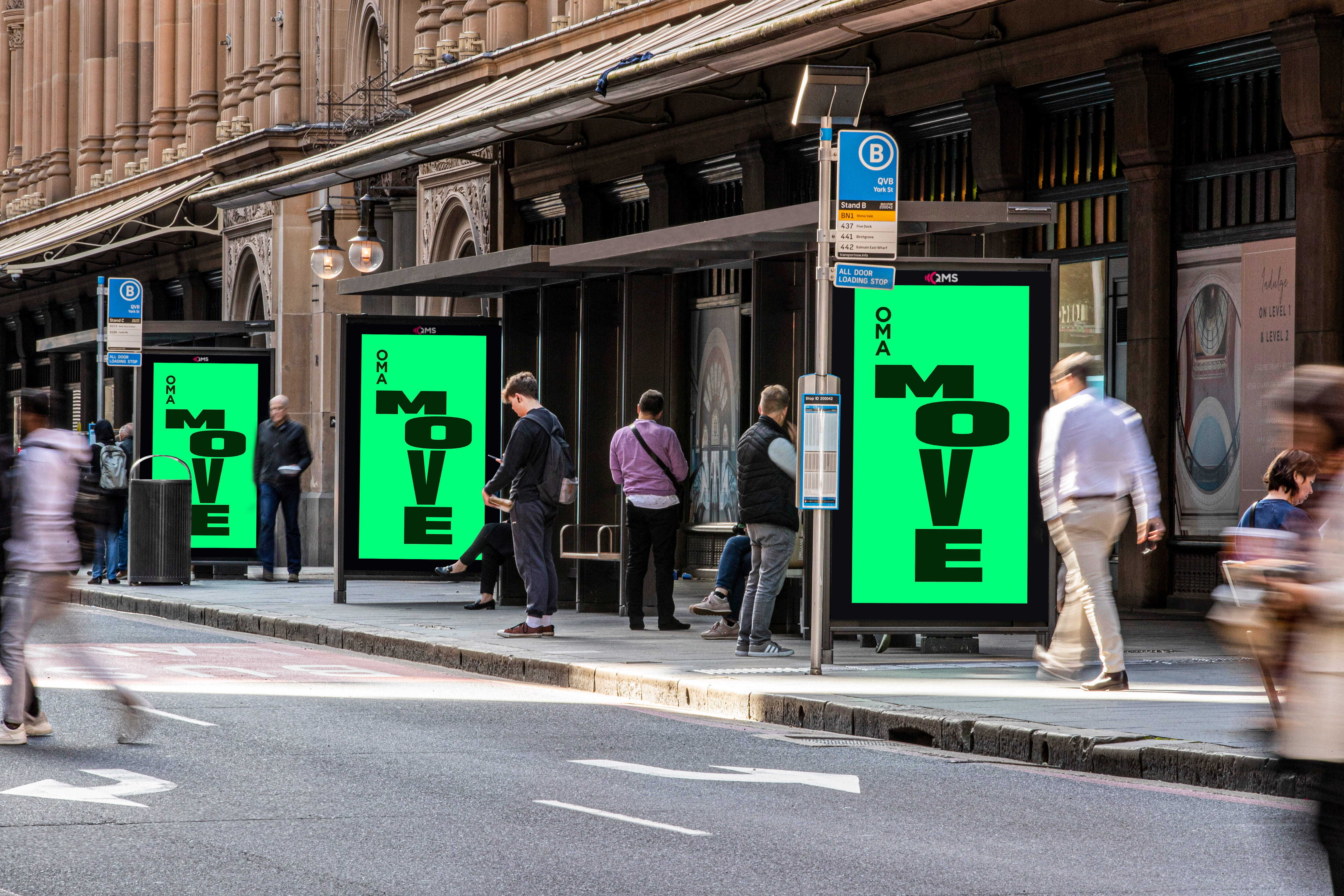
OOH is a powerful and versatile advertising channel that captures attention in high-traffic locations as people go about their daily lives.
This section covers the fundamentals: what OOH is at its core, the Australian market landscape, why advertisers choose it, and the three main environments where OOH campaigns operate.
OOH is a powerful and versatile advertising channel that captures attention in high-traffic locations as people go about their daily lives.
This section covers the fundamentals: what OOH is at its core, the Australian market landscape, why advertisers choose it, and the three main environments where OOH campaigns operate.


WHAT IS OOH ADVERTISING?
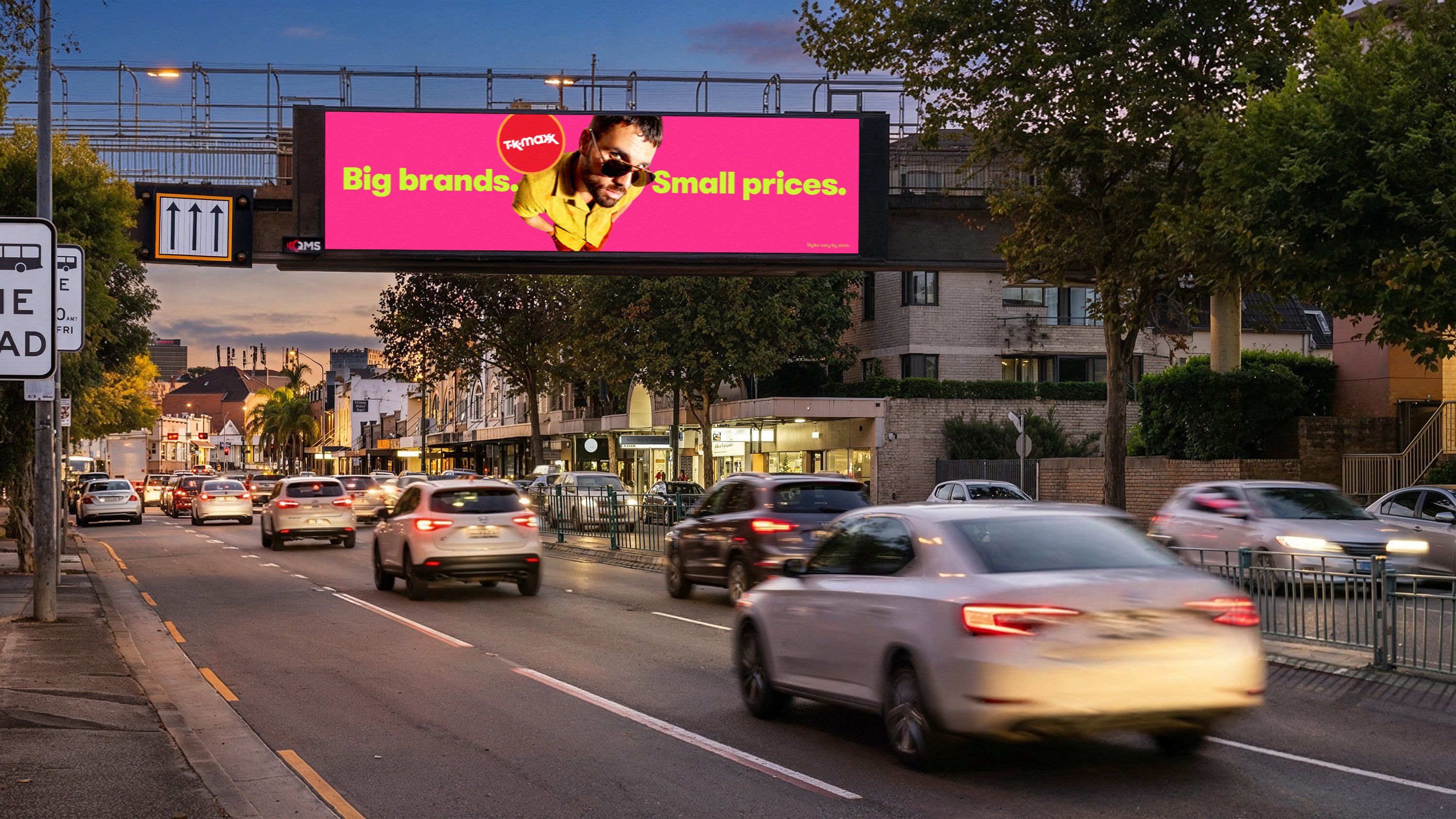
Out-of-Home (OOH) refers to signage located outside the home in public spaces.
Traditionally static, OOH has evolved with the rise of Digital Out-of-Home (DOOH) – dynamic, screen-based formats powered by technology, real-time data (e.g. weather, time), and remote updates. This blends the broad reach of traditional OOH with the flexibility and targeting of digital.
Programmatic DOOH (pDOOH) further enhances this by automating ad buying and delivery, enabling real-time, data-driven targeting based on location and audience movement.

THE OOH LANDSCAPE IN AUSTRALIA
A progressive and unique OOH market where all 5 capital cities are nuanced, influencing OOH planning decisions.
Alongside QMS, oOh! & JCDecaux are the main suppliers of OOH in Australia.
There are also retail media suppliers, including VMO, Scentre Group and Shopper, who were acquired by Cartology - Woolworths Group retail media arm.

WHY CHOOSE OOH
OOH invites consumers to engage with their immediate surroundings in location-based settings.
Advertisers can broadcast widely to capture the attention of a large audience or narrowcast to connect with a targeted audience.
The power of OOH lies in its ability to reach people at decisive moments in their day – when they're commuting, shopping, working, studying, grabbing coffee, or socialising.
/The key advantage is location-based targeting: reaching people at specific places where they live, travel, work and study, grab coffee and eat, and shop and socialise.

THE OOH ENVIRONMENTS
OOH advertising happens in three main environments, each with distinct audience behaviours and strategic purposes:
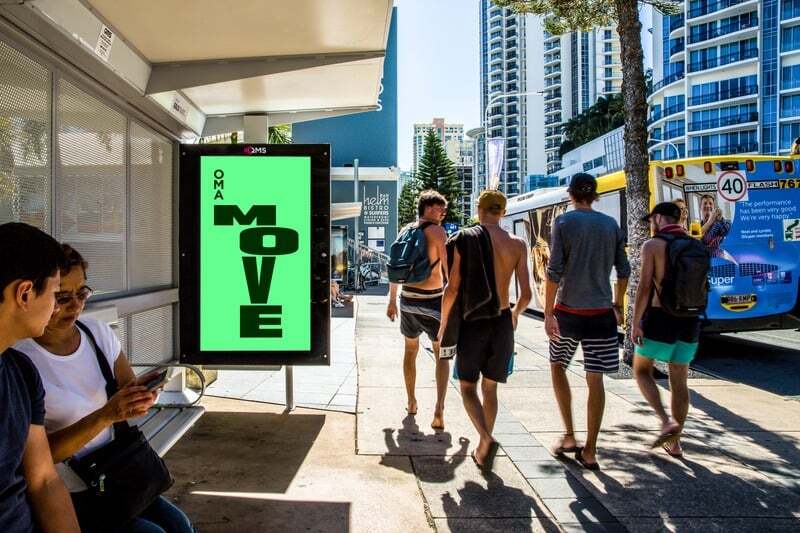
Transport: Advertising on transport vehicles and in transit locations (buses, trains, trams, airports, stations)
Roadside: Billboards placed along major highways, roads, and precincts
Retail: Advertising in shopping centres and at the entrance to stores or retail outlets
Learn more about how each of these works strategically in the "Products and Services" section.
.webp)




.webp)